Fenugreek: A Humble Seed Earning Its Place in the Feed Bucket
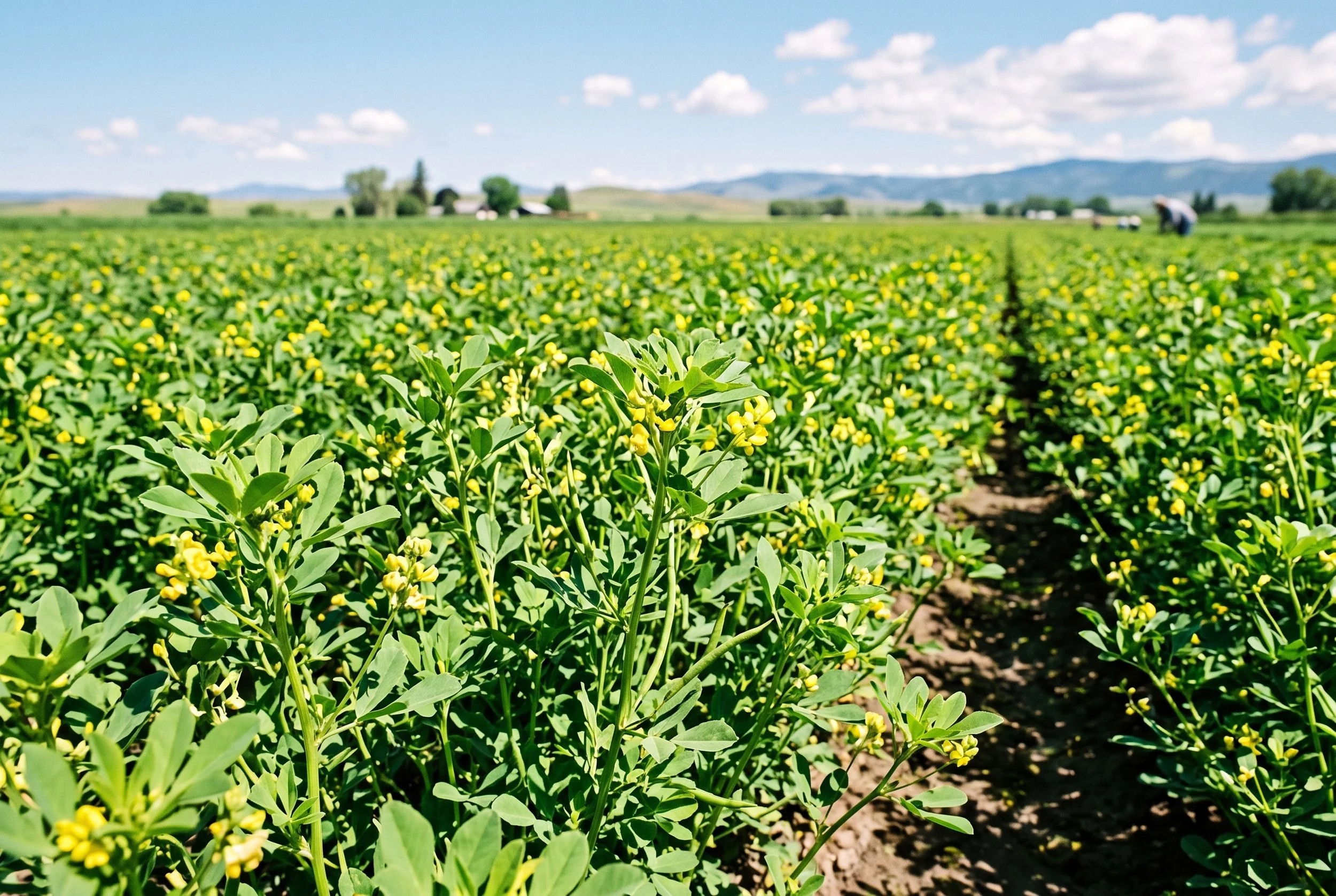
For thousands of years, fenugreek (Trigonella foenum-graecum) has been prized in kitchens and apothecaries from the Mediterranean to South Asia. Its very name is a clue to its oldest job: foenum-graecum means "Greek hay," a nod to its long history as fodder. Today that ancient reputation is getting a modern, evidence-based second look. As livestock producers, dairy farmers, and even horse owners search for natural feed additives to replace routine antibiotics and synthetic growth promoters, this small golden seed is quietly proving itself across the barn, the coop, and the pond.
A natural toolbox packed into one seed
What makes fenugreek so versatile is its unusually rich chemistry. The seeds are loaded with soluble fiber (galactomannan), plant steroids called saponins and the compound diosgenin, flavonoid and polyphenol antioxidants, and the amino acid 4-hydroxyisoleucine, which supports healthy insulin activity. Fenugreek is also intensely aromatic, with a warm, maple-sweet scent that animals find hard to resist. That combination of palatability, digestive support, and antioxidant power is exactly why nutritionists keep circling back to it, and why it slots so naturally into the "phytogenic" (plant-based) feed additives that have become one of the fastest-growing categories in animal nutrition.
Stronger, healthier poultry
Some of the most encouraging data comes from poultry, where fenugreek has been studied extensively as an alternative to antibiotic growth promoters. In a controlled trial published in Frontiers in Veterinary Science, broiler chickens fed fenugreek seed extract gained weight faster and converted feed more efficiently than untreated birds, with feed conversion improving as supplementation increased. The benefits went well beyond the scale. Fenugreek lowered total and LDL cholesterol, pointing to healthier lipid metabolism, and it gave the birds' immune systems a measurable lift: at moderate doses it significantly raised protective antibodies (IgG, IgM, and IgA) above both untreated birds and those given antibiotics. It also nudged the birds toward a calmer inflammatory profile, boosting anti-inflammatory signals while trimming pro-inflammatory ones. The researchers landed on roughly 100 mg/kg of feed as a sweet spot balancing growth, immunity, and metabolic health. A broader review of the poultry literature reached the same upbeat conclusion, cataloguing fenugreek's positive effects on growth, feed efficiency, egg quality, and antioxidant status.
More intake, better digestion in dairy and ruminants
Fenugreek's talents translate readily to cattle, goats, and sheep. In a well-controlled study of Holstein dairy heifers published in Translational Animal Science, just 2 grams per head per day of fenugreek seed extract produced striking gains. Dry matter intake rose from about 7.9 to 9.1 kg per day, and the animals digested that feed more completely, with dry matter digestibility climbing from 61.7% to 65.6% and crude protein and fiber digestibility both improving as well. Blood work told a complementary story of efficient metabolism: lower blood urea nitrogen (a sign nitrogen was being used rather than wasted) and healthier glucose levels. A look at the animals' gene activity even showed fenugreek switching on pathways tied to energy production, protein building, and antioxidant defense.
The seed has also earned a traditional reputation as a galactagogue, something that supports milk production, and modern feeding trials in dairy goats and cows have reported encouraging effects on both milk yield and composition. For producers, better intake and digestion is the foundation everything else is built on: an animal that eats well and extracts more nutrition from the same ration tends to grow, milk, and stay healthy more reliably.
Appetite and calm for horses
Ask many horse owners, and they will tell you fenugreek's first job is winning over a picky eater. Its sweet, savory aroma is a favorite trick for tempting off-feed horses back to the bucket and for masking the taste of bitter supplements or medications. Beyond palatability, it is valued in equine circles as a gentle digestive and condition aid, often fed to help topline and coat and to encourage a good appetite in hard keepers or horses coming back into work. Because it is a food-grade seed rather than a pharmaceutical, it fits comfortably into a natural feeding philosophy, though competition riders should always check current anti-doping rules before use.
Even the fish benefit
Perhaps the most surprising frontier is aquaculture. In studies feeding fenugreek seed meal to common carp, researchers recorded improved growth performance alongside better blood health, higher survival, and greater resistance to stress. Similar work points to fenugreek strengthening immune response and disease resistance in farmed fish. As aquaculture races to find sustainable, plant-based additives that keep fish healthy without heavy chemical inputs, fenugreek is emerging as a genuinely promising candidate.
Why it fits the moment
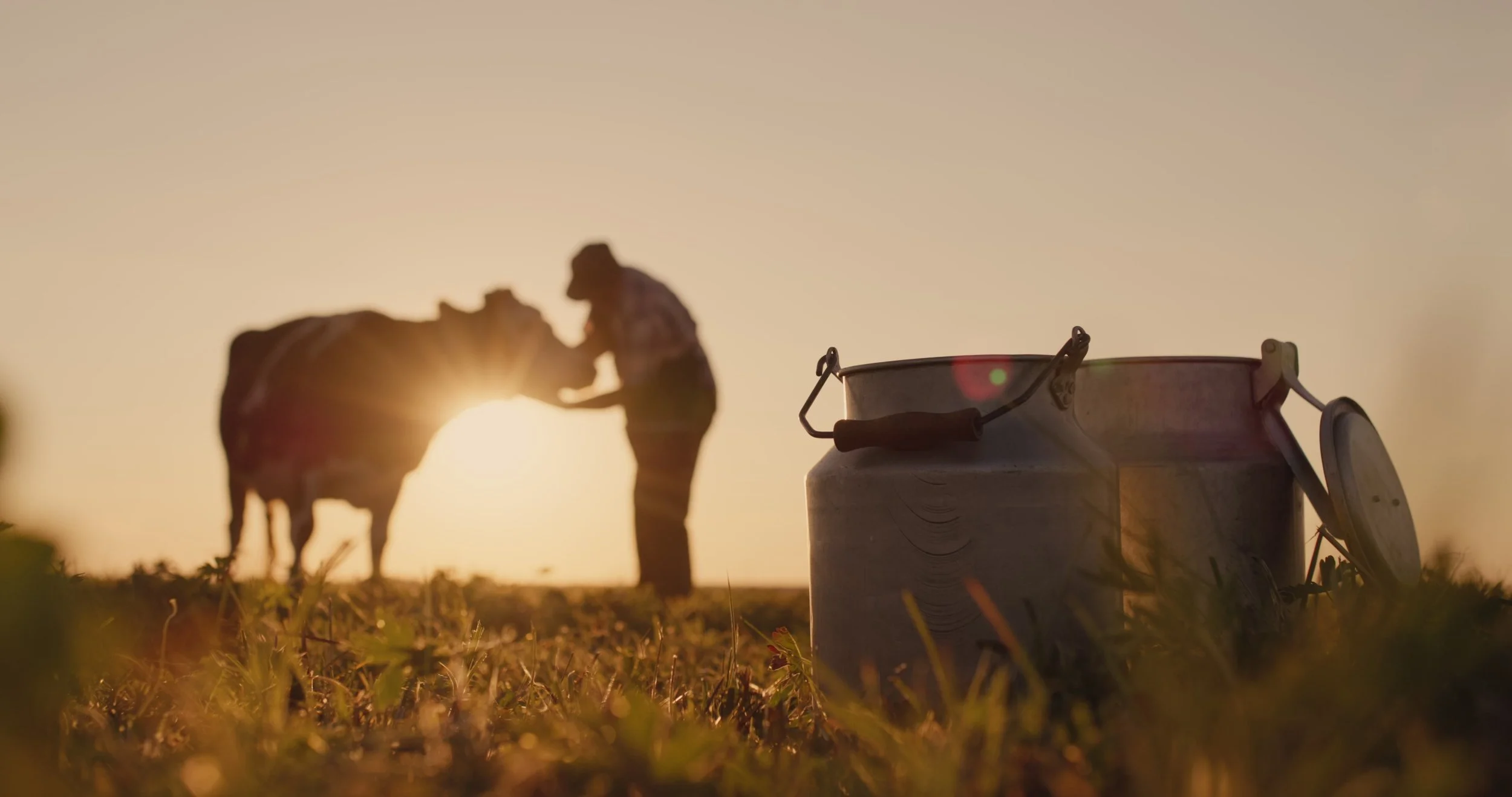
The through-line across all these species is consistency. Whether it is a broiler chick, a dairy heifer, a horse, or a carp, fenugreek tends to do the same handful of good things: it makes feed more appealing, helps the gut extract more from every mouthful, supports the immune system, and supplies antioxidants that help animals cope with stress. That profile lines up perfectly with where animal agriculture is heading. With regulators and consumers pushing to reduce routine antibiotic use, natural additives that can support health and performance at the same time are enormously valuable, and fenugreek delivers on both fronts while being inexpensive, widely available, and generally recognized as safe.
A sensible, optimistic outlook
None of this makes fenugreek a miracle cure, and the honest framing matters. Effects depend on dose, form (whole seed, meal, or extract), and species, and the strongest results tend to come at specific, moderate inclusion rates rather than "more is better." Very high levels can affect feed taste or, in some species, act on reproductive hormones, so working with a nutritionist or vet to dial in the right amount is the smart path. But those are the ordinary caveats of any good feed ingredient, not red flags.
What stands out is how much the modern evidence rhymes with the old wisdom. A seed that farmers reached for as "Greek hay" thousands of years ago is now backed by peer-reviewed trials showing better growth, better digestion, stronger immunity, and healthier animals across the farm. For producers looking to feed more naturally without giving up performance, fenugreek is a small, golden, and increasingly well-earned bet.