Fenugreek Seed Extract Helps Dairy Cows Eat More and Digest Better

A small seed may do a big job on the farm. Fenugreek is an old spice. Cooks use it. Now scientists want to feed it to cows.
Researchers at West Virginia University ran a study. They fed fenugreek seed extract to dairy cows. The cows ate more. They digested their feed better. Their blood looked healthier. The plant did the work of a drug, and it did it without one.
This matters. Farmers once fed antibiotics to help animals grow. That habit worries doctors. Germs learn to beat the drugs. So the search is on for a natural feed additive that works as well. Fenugreek seed extract for dairy cows may be one answer.
What the scientists did
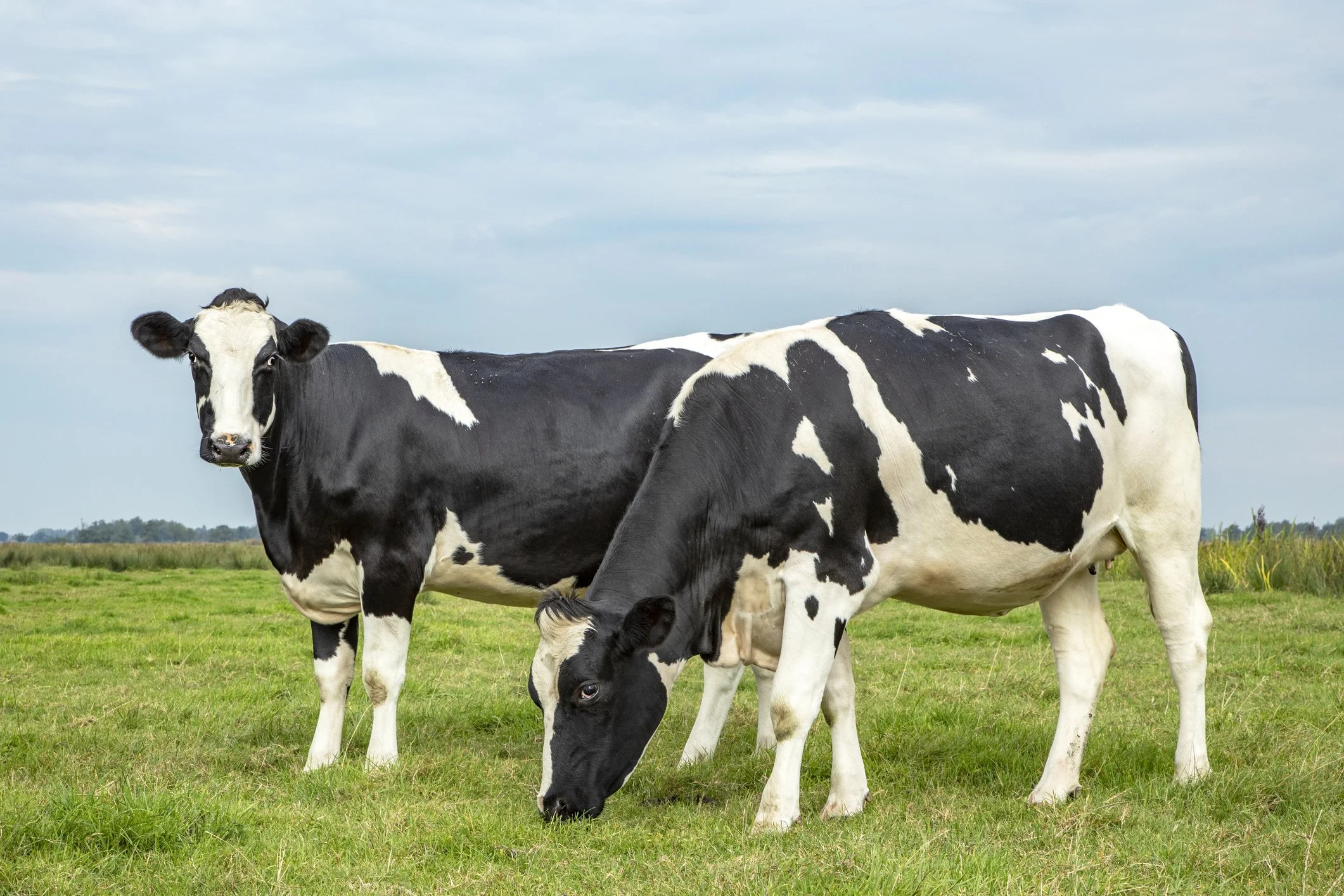
The team studied eight young Holstein cows. These are dairy heifers — female cattle not yet grown. Each cow ate a corn silage diet. That was the base.
Then the scientists split the test into two parts. In one part, a cow got the plain diet. In the other, the same cow got the diet plus two grams of fenugreek seed extract each day. A machine tracked every bite. Each cow served as her own control, so the numbers are clean.
The extract is rich in saponins. Saponins are natural compounds found in many plants. They change how the cow's gut works. That gut is the key to the whole story.
Fenugreek helped the cows eat more
The first result was plain. Cows on fenugreek ate more feed. They ate about 1.24 kilograms more dry feed each day. That is a real jump — roughly nine kilograms a day against not quite eight.
More feed is good. A cow that eats well grows well. She gives more milk later. On a dairy farm, appetite is money.
The cows digested their feed better, too
Eating more is only half the win. The cows also pulled more good from each mouthful.
Digestion of dry matter rose from about 62 percent to 66 percent. Protein digestion rose. Fiber digestion rose. The cow wasted less and used more. That is the point of any good feed additive for cattle.
Why? The saponins in fenugreek shift the bugs in the cow's rumen. The rumen is the big first stomach. It is full of microbes that break down grass and grain. Fenugreek seems to help the useful microbes and quiet the ones that steal protein. The gut grows more efficient.
The blood told a healthy story
The scientists also drew blood. Two numbers stood out.
Blood urea nitrogen fell. That number tracks wasted protein. When it drops, the cow is using protein well, not burning it off. Blood sugar rose a little. That means more ready energy. Both signs point the same way. The cow was running clean.
They went deeper still. They read the cows' genes from the blood. Fenugreek switched on genes tied to energy and to antiviral defense. It turned up the cell's power plants. In plain words, the cows had more fuel and a stronger guard against illness.
Why fenugreek seed extract matters for farmers
Put the pieces together. The cows ate more. They digested more. They wasted less protein. They carried more energy. They showed signs of better immune defense. One cheap plant did all of it.
This is why researchers call fenugreek seed extract a promising antibiotic alternative for cattle. It is natural. It is simple to feed. And it works on the gut, where feed becomes growth.
The study was small. Eight cows is a start, not a final word. The scientists say so. They want more tests, and larger ones, and tests on cows under stress. That is honest science. But the first look is strong.
The bottom line
A spice from the kitchen may help feed the herd. Fenugreek seed extract helped dairy cows eat more, digest better, and stay healthy. It points to a cleaner way to raise strong animals — no antibiotics needed. For farmers who want healthy cows and less waste, that is news worth chewing on.
Source: Taiwo G, Sidney T, Idowu M, Eichie F, Karnezos TP, Ogunade IM. "Dietary fenugreek seed extract improves dry matter intake, apparent total tract nutrient digestibility, and alters whole blood transcriptome of Holstein dairy heifers." Translational Animal Science, Vol. 6, Issue 4, October 2022.