The Science of Fenugreek: What Makes This Ancient Seed Work
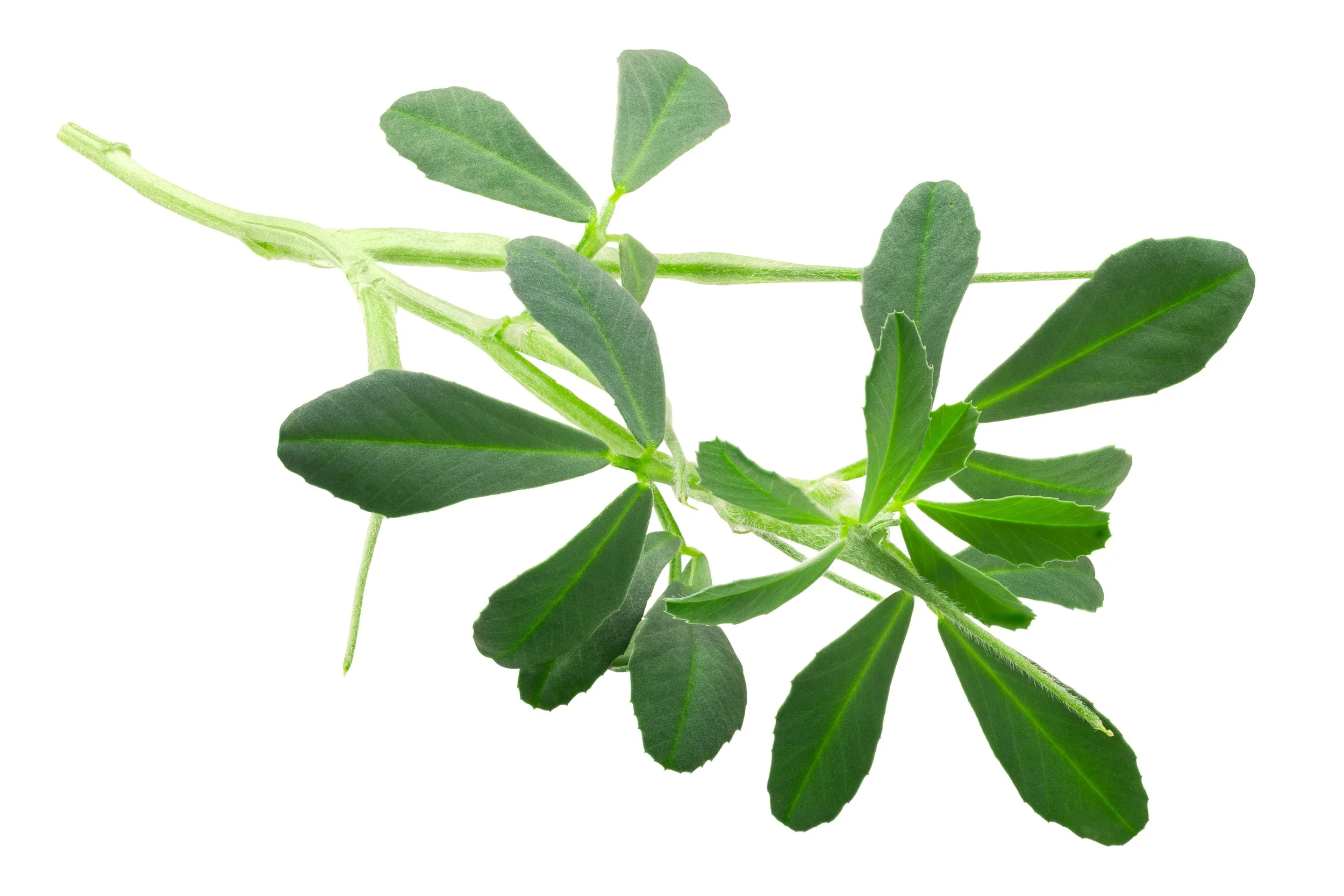
Fenugreek (Trigonella foenum-graecum) has been used in feeding and folk medicine for thousands of years — but modern science is now explaining why it works. Behind the seed's warm aroma and reputation as a health-supporting botanical lies a rich blend of bioactive compounds, each with a specific role in animal nutrition. At Nutrifen, we think it's worth understanding the science. Here's what's actually happening inside the fenugreek seed.
A Unique Phytochemical Profile
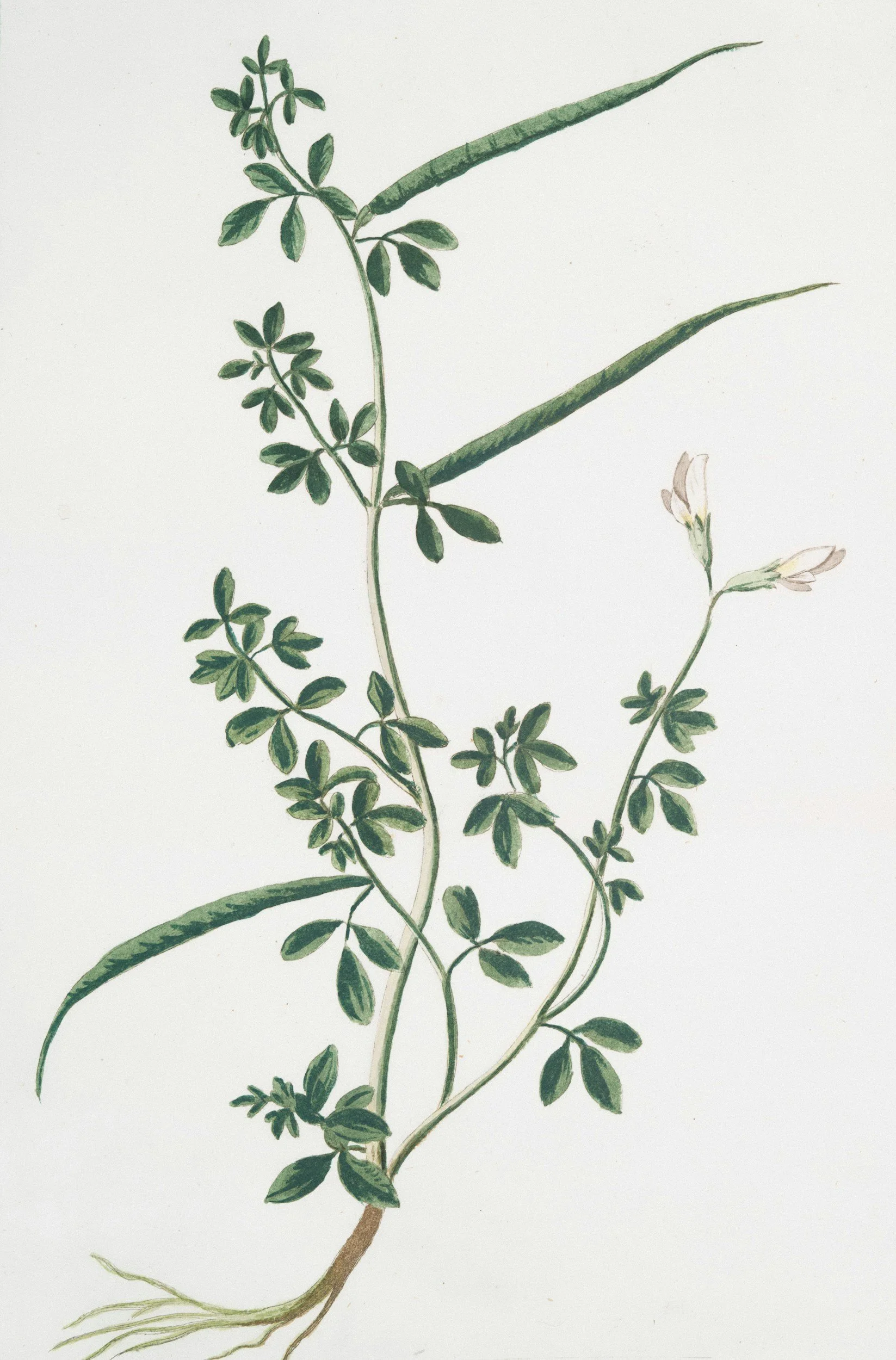
The Fenugreek Plant
Fenugreek is unusual among feed ingredients because it delivers several distinct classes of bioactive compounds at once. The most important include:
Steroidal saponins (notably diosgenin) — the seed's signature compounds
Galactomannan — a soluble fiber that gives fenugreek its characteristic mucilage
4-Hydroxyisoleucine — a rare amino acid found in very few plants
Trigonelline — an alkaloid unique enough to lend the plant its genus name
Flavonoids and polyphenols — plant antioxidants
Volatile aroma compounds (such as sotolon) that drive palatability
It's the combination of these compounds — not any single one — that makes fenugreek so versatile. Let's look at what each one does.
Diosgenin and Saponins: Metabolism and the Gut
Diosgenin, a steroidal sapogenin, is fenugreek's most studied compound. As a natural precursor to steroid structures, it has been linked to effects on lipid metabolism and hormonal signaling. Saponins more broadly are known to interact with the digestive tract: in ruminants, they can influence rumen fermentation and microbial populations, and they carry antimicrobial and antioxidant activity. This is part of why fenugreek is explored as a natural tool for gut health and rumen efficiency.
4-Hydroxyisoleucine: The Metabolic Amino Acid
One of fenugreek's most scientifically interesting components is 4-hydroxyisoleucine, an amino acid rarely found in nature. Research suggests it supports insulin activity and glucose metabolism — in other words, it may help animals use dietary energy more efficiently. For a production animal, more efficient nutrient use can translate to better performance from the same ration.
Galactomannan: Fiber That Does More Than Fill
The soluble fiber galactomannan is responsible for fenugreek's gel-forming mucilage. In the gut, this fiber slows the rate of digestion and can act as a prebiotic, feeding beneficial microflora. The result is a more stable gut environment, steadier nutrient absorption, and support for overall digestive health — a foundation for consistent performance.
The Galactagogue Effect: Why Fenugreek Supports Lactation
Fenugreek's centuries-old reputation as a galactagogue (a milk-supporting agent) is increasingly backed by studies in dairy animals showing improvements in lactational performance. The leading explanation links the seed's diosgenin and phytoestrogenic compounds to hormonal pathways involved in milk synthesis — potentially stimulating mammary tissue and milk-production hormones. While research is ongoing, the practical observation is well documented across dairy cattle, goats, and buffalo.
Antioxidants: Defending Against Oxidative Stress
Fenugreek's flavonoids and polyphenols act as natural antioxidants, neutralizing the free radicals that build up during heat, disease, and metabolic stress. By supporting the animal's antioxidant defenses, these compounds help protect cell health and immune function — especially valuable during demanding periods like early lactation or hot weather.
Palatability: The Chemistry of Appetite
Even the best ingredient only works if animals eat it. Fenugreek's aromatic profile — driven by volatile compounds like sotolon, the source of its maple-like scent — makes feed more appealing and stimulates appetite. Better palatability means steadier feed intake, which underpins every other nutritional benefit.
The Takeaway
Fenugreek isn't a single-mechanism additive — it's a naturally multifunctional ingredient. Its saponins support gut and metabolic health, 4-hydroxyisoleucine aids energy use, galactomannan feeds the gut, phytoestrogens support lactation, polyphenols defend against oxidative stress, and aromatic compounds keep animals eating. That's the science behind a seed that has earned its place in animal nutrition for millennia.
At Nutrifen, we're committed to delivering science-backed, natural feed ingredients you can trust.
A note on evidence: research into fenugreek's mechanisms is active and ongoing, and effects can vary with dose, species, and formulation. This article summarizes the current scientific understanding rather than making guaranteed performance claims.
Sources:
Bioactive Potential and Health Benefits of Trigonella foenum-graecum: A Comprehensive Review (PMC)
Fenugreek-derived diosgenin as an emerging source for diabetic therapy (PMC)
science of fenugreek / how fenugreek works
fenugreek bioactive compounds
diosgenin and saponins
4-hydroxyisoleucine
galactomannan / soluble fiber prebiotic
fenugreek galactagogue / lactation support
natural antioxidants for livestock
Trigonella foenum-graecum
natural feed additive